Easy Sympathy Arrangements: A Practical Florist's Guide
Posted on 14/05/2026
Choosing sympathy flowers is never just about flowers. It is about timing, tone, and saying the right thing without saying too much. That can feel surprisingly hard when emotions are already running high. This guide to easy sympathy arrangements is written to make the process calmer, clearer, and more practical, whether you are ordering for a funeral service, sending condolences to a home, or choosing a simple tribute that feels personal and respectful.
In our experience, the best sympathy arrangements are not the most complicated ones. They are the ones that feel considered. A quiet white spray, a gentle basket, or a hand-tied tribute can communicate care beautifully, without creating extra pressure for the family. Below you will find straightforward florist advice on choosing styles, colours, flowers, and formats that work well in real situations.
If you want to explore fitting options while you read, it can help to look at a few relevant categories such as sympathy flowers, funeral flowers, and calm, structured designs like sprays or wreaths. Sometimes seeing the shape first makes the decision a lot easier. A lot easier, actually.
Why Easy Sympathy Arrangements Matter
Sympathy flowers carry a different kind of weight from birthday bouquets or celebration flowers. They are usually sent during a difficult week, sometimes with very little notice, and often by someone who is unsure what feels appropriate. That is exactly why simple, well-made arrangements matter. They remove stress from a moment where nobody needs more of it.
Good sympathy design is not about being plain for the sake of it. It is about clarity, respect, and restraint. A well-balanced arrangement can bring a sense of order to a space that may feel emotionally chaotic. At a funeral service, flowers are often part of the visual language of remembrance. At home, they are a quiet message that someone is being thought of, gently.
There is also a practical side. Easy arrangements are typically easier to order, easier to deliver, and easier for families to place in the right setting. That matters if the service is happening at short notice or if you are not sure whether flowers should go to a house, a chapel, a crematorium, or a funeral director. The less guesswork there is, the better.
For many people, the hardest part is simply getting started. A simple guide gives you a path through that uncertainty. It helps you choose a style, a size, and a message that feels natural instead of forced. And yes, that matters more than people sometimes admit.
How Easy Sympathy Arrangements Work
At the florist level, an easy sympathy arrangement usually means a design that is straightforward to produce, stable to transport, and appropriate for condolence occasions. It may be a sympathy spray, a basket, a posy, a wreath, a heart tribute, or a hand-tied design in a vase. The shape depends on where the flowers will go and what sort of message they are meant to convey.
Some arrangements are designed for services and display, while others are better for home sympathy. Service flowers often need a more structured finish because they are viewed in a formal setting and may sit near the coffin or altar. Home arrangements are usually softer and more compact. If you are unsure, the safest choice is often a modest design in white, pale pink, cream, or mixed soft tones.
Most sympathy orders follow a simple workflow:
- You choose the arrangement style.
- You select colour preferences and budget.
- You add the card message or tribute wording.
- The florist prepares the flowers with appropriate mechanics and hydration.
- The arrangement is delivered to the correct venue or address at the right time.
If you are selecting by theme or colour, browsing categories such as white flowers, purple flowers, or mixed colours can help you narrow things down fast. White remains the most traditional sympathy choice in the UK, while soft lilac or mixed pastel tones can feel a little more personal and warm.
Florists also think about flower behaviour. Some blooms open quickly and give fullness straight away; others hold a tighter shape and last longer. That is why a sympathy basket or spray is often built from reliable stems such as carnations, chrysanthemums, lilies, alstroemeria, or germini. They are practical flowers, and that is not a bad thing at all. In sympathy work, practical is often exactly right.
Key Benefits and Practical Advantages
Easy sympathy arrangements do more than save time. They help you make a sensible decision under pressure, which is often the real challenge. Below are the most useful advantages from both a customer and florist point of view.
- Less decision fatigue: A simple format reduces the number of choices you need to make.
- More suitable for difficult moments: A restrained arrangement usually feels respectful and timeless.
- Better delivery confidence: Sprays, posies, and baskets are generally stable and travel well.
- Easier venue matching: Some designs are more suitable for homes, while others suit services and crematorium chapels.
- Flexible budgeting: You can choose a compact tribute or a fuller display depending on what feels right.
There is another benefit people overlook: easy arrangements are less likely to date badly in style. Sympathy design should not feel fashionable in the same way a party bouquet might. It should feel calm now, and still appropriate a year from now if someone looks back at a photograph.
For a florist, simplicity can also improve consistency. A well-built design using dependable stems is easier to replicate neatly, especially on short notice. That matters for same-day work, which is common in bereavement orders. If timing is tight, you might also want to look at same-day delivery options or more accessible price bands like budget flowers and cheap flowers where appropriate. Cheap, though, should never mean careless.
Expert takeaway: the best sympathy arrangement is the one that fits the setting, the relationship, and the message. Not the loudest, not the most expensive, just the most suitable.
Who This Is For and When It Makes Sense
This guide is useful for anyone who needs to send condolence flowers without getting lost in the detail. That includes family members, friends, neighbours, colleagues, employers, and anyone arranging flowers on behalf of a group or workplace. It is also useful for people who want to understand the difference between a simple tribute and a formal funeral arrangement before placing an order.
Easy sympathy arrangements make sense in a few common situations:
- You need to order quickly and cannot spend ages comparing options.
- You know the recipient well, but not their exact preferences.
- You want something dignified rather than ornate.
- You need flowers for a funeral service, crematorium, church, or graveside tribute.
- You are sending condolences to a home and want the gesture to feel gentle and unobtrusive.
They also work well when several people are contributing together. A workplace collection, for example, often benefits from a single tasteful design rather than multiple smaller gifts. In those cases, a wreath, a spray, or a basket can feel more unified. If you want a rounded, florist-led option, florist choice arrangements are often a useful route because they let the florist build something suitable from available seasonal stems.
And sometimes, truth be told, you just need help making a kind decision quickly. This is exactly the sort of purchase where good guidance matters more than endless scrolling.
Step-by-Step Guidance
Here is a practical way to choose sympathy flowers without second-guessing yourself at every stage.
1. Decide where the flowers are going
This is the first filter. A service arrangement is not the same as something sent to a family home. If the flowers are for a funeral or memorial venue, choose a format that sits well in a formal display, such as a spray, wreath, or tribute. For a home delivery, a compact posy or basket is usually easier to receive and place.
2. Pick a message and tone
Keep the wording short and sincere. A message such as "With deepest sympathy", "Thinking of you", or "With love and heartfelt condolences" is often enough. If the flowers are from a group, add the sender names clearly so the family knows who sent them. Simple is often best here. There is no prize for writing a miniature speech.
3. Choose a colour story
White is the traditional starting point, but there are other options. Soft pink can feel tender and comforting. Purple often reads as dignified and reflective. Yellow can bring warmth, though it is best used carefully in sympathy work so it does not feel overly bright. Mixed colours can work if the palette is muted and harmonious.
For gentle colour-led browsing, you may find the following useful: pink flowers, yellow flowers, or red flowers for more traditional tribute work where a family specifically welcomes deeper tones.
4. Match the flower type to the structure
Carnations, chrysanthemums, lilies, alstroemeria, germini, and hydrangeas all play different roles. Carnations and chrysanthemums are sturdy and reliable. Lilies bring a more formal, classical feeling. Alstroemeria adds texture and a softer, more natural movement. Hydrangeas can create fullness quickly, which is handy if you want a generous shape without overcomplicating the design. Browsing categories such as carnations, chrysanthemums, lilies, and alstroemeria can help you understand the feel of each flower family.
5. Check the budget and delivery details
If you are working to a specific amount, choose a size that fits the occasion rather than trying to stretch the budget too far. A modest but well-made design is usually better than a larger one that feels awkward. If the order is time-sensitive, make sure the delivery address, funeral director name, and service time are all entered accurately. Small detail, huge difference.
Expert Tips for Better Results
Florists tend to think in terms of balance, scale, and reliability. That can sound technical, but in sympathy work it really comes down to a few simple things that make the arrangement feel right.
Use a restrained palette unless the family wants more colour
Soft whites, creams, blush pinks, muted lilacs, and pale greens are safe, respectful choices. If the recipient had a favourite colour, or if a family has asked for something more personal, then it is fine to work with that. In fact, personalised sympathy flowers often mean more. A white base with one accent colour can be a very elegant compromise.
Choose dependable flowers over delicate novelty stems
For bereavement work, there is usually no need to chase unusual blooms. Strong stems with good vase life are more reliable and less likely to look tired on arrival. That is why many sympathy florists lean on classics like chrysanthemums, carnations, lilies, and alstroemeria. They hold shape well and behave predictably.
Think about the viewing angle
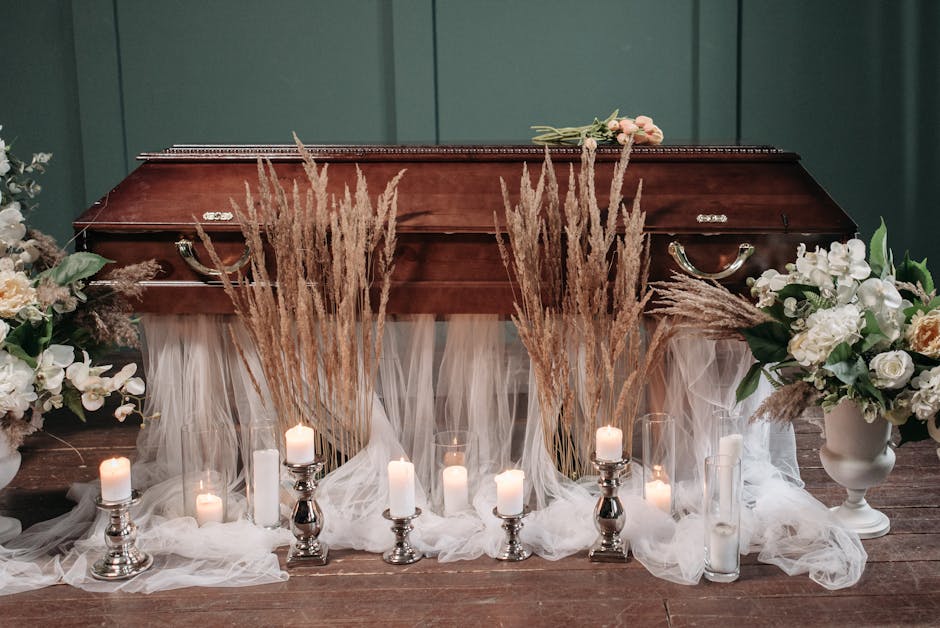
An arrangement seen from the front only needs a different structure from one that will be viewed all around. Wreaths and baskets tend to be more rounded and self-contained. Sprays are directional, which makes them suitable for coffin-top placement or altar display. If you are unsure, ask the florist how the piece will be viewed. It is a small question, but a very useful one.
Leave room for the card message
If you are ordering something compact, don't let the arrangement crowd the message card. On delivery, the card should be easy to see and read. Sounds obvious, maybe, but it is one of those details that gets forgotten when people are choosing in a hurry.
For a few families, especially where there is an established faith or cultural tradition, the shape matters more than the flowers themselves. Letter tributes, hearts, and crosses can be deeply meaningful when chosen well. If that is relevant, pages like tributes, letter tributes, and funeral cards are worth a look.
Common Mistakes to Avoid
Most sympathy ordering mistakes are not dramatic. They are usually small mismatches that happen because the person ordering is upset, rushed, or just not familiar with funeral flower etiquette. Here are the ones to watch for.
- Choosing a style that does not suit the venue: A home delivery basket is not the same as a coffin spray.
- Going too bright without context: Strong colours can feel out of place unless they are requested or meaningful.
- Writing a message that is too long: Sympathy cards work best when they are short and sincere.
- Forgetting delivery details: Funeral homes, service times, and recipient names need to be exact.
- Overcomplicating the flower mix: Too many varieties can make the design lose its calm feeling.
- Ordering too late: Good sympathy work needs time, especially if the piece is personalised.
A subtle mistake I see quite often is people selecting the prettiest arrangement rather than the most appropriate one. They are not the same thing. Pretty matters, of course, but in bereavement work appropriateness comes first. The design should support the moment, not compete with it.
Another one: assuming the family will want the same style you do. Better to think about what would feel comforting to them. That small shift in perspective usually leads to a better choice.
Tools, Resources and Recommendations
Whether you are a customer or a florist, a few practical resources make sympathy ordering easier and smoother.
- Product category pages: Use the sympathy section to compare sprays, wreaths, posies, and baskets.
- Colour filters: White, purple, pink, yellow, or mixed-colour pages can help narrow the mood quickly.
- Budget bands: If cost matters, browse by budget rather than guessing at size.
- Occasion pages: Some customers find it useful to compare sympathy orders with broader categories such as thinking of you or thank you to understand tone.
- Best sellers: Popular arrangements can be a safe choice when you need reassurance fast.
If you are choosing for a different kind of supportive gesture, you might also glance at get well flowers, new home flowers, or any occasion options. Not because they are sympathy flowers, but because they show how the florist handles tone across the site. That can be quite revealing, actually.
Recommended sympathy formats for ease and reliability usually include:
- Compact posies for home condolences
- Flat sprays for service presentation
- Wreaths for traditional memorial wording
- Hearts and crosses for faith-based or family-led tributes
- Basket arrangements for a softer, domestic feel
If you want a simpler starting point, a florist-designed option is often the safest route. It saves time, reduces uncertainty, and gives you a piece that is already balanced for sympathy use. That is why florist's choice designs can be so helpful when your head is elsewhere.
Law, Compliance, Standards, or Best Practice
Sympathy flowers are not heavily regulated in the same way some services are, but there are still sensible standards and best practices to follow. The most important one is simple: be accurate, respectful, and careful with personal information.
If you are ordering for a funeral, confirm the venue name, date, service time, and any instructions from the funeral director. Some venues have specific delivery windows or preferences about where flowers should be left. Florists rely on this information to make sure the arrangement arrives where it should, at the right time. A small address error can cause avoidable stress.
For businesses or group orders, it is best practice to keep sender names clear and to avoid wording that could be misread. If a workplace is sending flowers on behalf of a team, one card message and one named list of senders is usually tidier than several overlapping messages.
There is also a matter of cultural and religious sensitivity. In the UK, funeral customs vary widely. Some families prefer certain colours, some avoid certain symbols, and some may have specific religious or cultural traditions around wreaths, crosses, or floral tributes. When in doubt, ask quietly and respectfully. That is the proper thing to do. Not always easy, but definitely worth it.
Finally, if someone has requested no flowers, respect that request. It sounds obvious, but it is one of the clearest ways to show care and good judgment.
Options, Methods, or Comparison Table
Here is a simple comparison of common sympathy arrangement types so you can decide faster.
| Arrangement type | Best for | Style level | Practical note |
|---|---|---|---|
| Posy | Home condolences, smaller gestures | Soft and modest | Easy to place and very approachable |
| Basket | Home delivery, thoughtful family gifting | Gentle and full | Stable and low-maintenance |
| Spray | Funeral services, coffin tribute | Formal and directional | Usually chosen for venue display |
| Wreath | Memorials, traditional tributes | Classic and symbolic | Strong visual shape, widely recognised |
| Heart or cross tribute | Personal or faith-based remembrance | Meaningful and structured | Best when symbolism matters |
If you want something that feels more general-purpose rather than strictly formal, a basket or posy is often the easiest place to start. If you need a more specific tribute, the formal options under tributes or letter tributes may suit better.
Case Study or Real-World Example
Here is a realistic example from the kind of order a florist sees every week. A customer rings late in the afternoon after hearing that a colleague's parent has passed away. They want something suitable for the family home, not the service, and they need it delivered the next morning. They are unsure whether to choose white or mixed colours, and they do not want anything too large.
In that situation, the florist would usually steer them toward a compact basket or posy with soft whites and one gentle accent. White roses, alstroemeria, and a little greenery can look calm and polished. If the customer wants more warmth, a touch of pale pink can soften the piece without making it feel less respectful.
The message would be short. Something like: "With heartfelt sympathy and thinking of you at this sad time." No long speech, no elaborate poem. Just something honest.
What made the order work was not complexity. It was fit. The family could place the flowers on a table near the cards, the arrangement travelled well, and the sender felt they had done something thoughtful without overdoing it. That is the sweet spot. Most sympathy orders should aim for exactly that.
For slightly fuller designs, the florist might have suggested one of the more formal sympathy options, perhaps a florist choice sympathy basket or a small sympathy spray. The right answer depends on the setting, and sometimes a simple conversation settles it within a minute.
Practical Checklist
Use this before placing the order. It saves a lot of backtracking.
- Have I chosen the right destination: home, service, crematorium, church, or funeral director?
- Do I know the correct date and delivery time?
- Is the arrangement suitable for the occasion and relationship?
- Have I selected a respectful colour palette?
- Does the flower choice match the style I want: soft, formal, traditional, or personal?
- Is my message short, clear, and sincere?
- Have I checked any faith, cultural, or family preferences?
- Is the budget realistic for the size and style I want?
- Have I included sender names if needed?
- Did I ask the florist any practical questions before confirming?
Quick rule of thumb: if you are unsure, choose the simpler option. In sympathy work, simple rarely feels wrong.
Conclusion
Easy sympathy arrangements are about making a difficult task more manageable without losing meaning. The best choices are usually calm, well-structured, and appropriate for the setting. They do not need to be dramatic or expensive. They just need to feel thoughtful, respectful, and carefully chosen.
Whether you are sending flowers to a home, arranging a funeral tribute, or helping a group place one shared order, a practical florist's approach makes all the difference. Start with the location, choose the right shape, keep the colour palette gentle, and let the message be simple. That alone will take you a long way.
And if you are still unsure, that is perfectly normal. Sympathy flowers are one of those things where a steady hand and a little guidance go a long way. Take your time, trust the basics, and choose the design that feels quietly right.
Get a free quote today and see how much you can save.
Frequently Asked Questions
What are easy sympathy arrangements?
Easy sympathy arrangements are straightforward condolence flower designs such as posies, baskets, sprays, or wreaths that are simple to choose, suitable for the occasion, and practical to deliver.
What flowers are best for sympathy arrangements in the UK?
White roses, lilies, chrysanthemums, carnations, alstroemeria, and soft mixed stems are all widely used. They are reliable, respectful, and easy to build into balanced designs.
Should sympathy flowers always be white?
No, although white is the traditional choice. Soft pink, lilac, cream, green, and muted mixed colours can also be appropriate, especially if they reflect the recipient's preferences or the family's wishes.
What is the difference between a sympathy spray and a wreath?
A sympathy spray is usually a directional arrangement designed for funeral service display, often placed on or near a coffin. A wreath is circular and symbolic, often used as a memorial tribute.
Can I send sympathy flowers to a home instead of a funeral?
Yes. In fact, baskets, posies, and hand-tied arrangements are often better for home delivery because they are easy to receive, place, and keep on display.
How much should I spend on sympathy flowers?
There is no fixed amount. The right budget depends on your relationship to the family and the size of arrangement you want. A thoughtful, modest design is usually better than stretching beyond what feels comfortable.
What should I write on a sympathy card?
Keep it short and sincere. Messages such as "With deepest sympathy," "Thinking of you," or "With heartfelt condolences" are often enough. If you knew the person well, a brief personal line can be added.
How quickly can sympathy flowers be delivered?
Many florists offer same-day or next-day delivery, depending on the time of ordering and stock availability. For funeral services, it is best to order as early as possible so the florist has time to prepare the tribute properly.
Are there any flowers I should avoid for sympathy orders?
There are no absolute rules, but very bright or playful flowers may feel out of place unless the family has requested them. If in doubt, choose softer and more classic stems.
What is the safest sympathy arrangement for someone I do not know well?
A white basket, posy, or small spray is usually the safest choice. These formats are gentle, respectful, and suitable for most situations without being too personal.
Can sympathy flowers include personal tributes or faith symbols?
Yes, if the family would appreciate them. Hearts, crosses, letters, and named tributes can be meaningful, but they should be chosen with care and only when they suit the family's background and wishes.
Is it better to choose a florist's choice sympathy arrangement?
Often, yes. A florist's choice arrangement allows the florist to use the freshest suitable stems and build a balanced piece quickly, which is very useful when you need something tasteful without overthinking every detail.
What should I do if the funeral details are unclear?
Ask the funeral director, the family member arranging the service, or the florist for guidance before ordering. Getting the venue, time, and recipient details right is more important than rushing the purchase.
Are sympathy flowers appropriate for work colleagues?
Yes. Flowers can be a kind and respectful gesture from a team or workplace. In that setting, one shared arrangement with a simple message is usually the most appropriate option.
When sympathy flowers are chosen with care, they do something quietly powerful: they carry kindness into a hard moment without demanding anything back. That is their real strength.