DIY vs Florist: Cost Comparison for Wedding Flowers
Posted on 17/09/2026
Wedding flowers can eat into a budget faster than most couples expect. One minute you are pricing a bridal bouquet, and the next you are trying to work out whether buying stems, ribbon, wire, and vases separately is actually cheaper than handing the whole thing over to a florist. That is exactly why DIY vs Florist: Cost Comparison for Wedding Flowers matters so much.
To be fair, there is no single "best" option. Some couples save money with DIY and enjoy the process. Others spend a little more with a florist and gain calm, consistency, and far less last-minute stress. This guide breaks down the true costs, hidden extras, time involved, risks, and practical decision points so you can choose with your eyes open. You will also find a comparison table, a step-by-step planning method, a checklist, and a few realistic examples from the kind of wedding-day situations people actually face.
If you are trying to decide whether to roll up your sleeves or book a professional, you are in the right place.
- Why the cost comparison matters
- How DIY and florist pricing works
- Benefits of each approach
- Who each option suits best
- Step-by-step decision guide
- Expert tips for better value
- Common mistakes to avoid
- Tools and resources
- Best practice and compliance
- Comparison table
- Real-world example
- Practical checklist
- Frequently asked questions
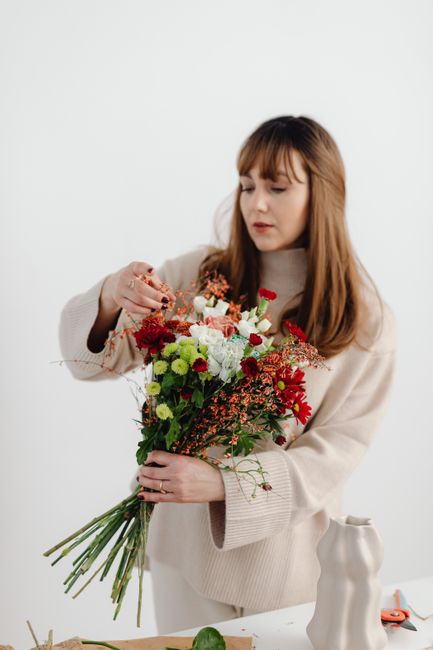
Why DIY vs Florist: Cost Comparison for Wedding Flowers Matters
Wedding flowers are one of those line items that can look simple on paper and then suddenly become not so simple. A bridal bouquet, a few buttonholes, some bridesmaid posies, table arrangements, and ceremony flowers can all add up. If you do not compare DIY and florist costs properly, you may end up making a choice based on sticker price alone rather than real overall value.
That is the real trap. DIY often looks cheaper because you see the price of stems and think, "Right, that's manageable." But the true budget also includes supplies, tools, delivery, storage, your own time, and the risk of waste. A florist, meanwhile, includes design skill, sourcing, labour, prep, transport, and often the quiet reassurance that the flowers will turn up ready to use. Slightly boring on paper, very useful on the day.
This comparison matters because wedding flowers are both decorative and operational. They need to look good, stay fresh, suit the venue, and arrive on time. If you are planning a small registry office wedding, a garden celebration, or a full-scale reception, the best choice depends on more than just the cheapest quote. It depends on how much work you want to take on, what kind of finish you expect, and how much room you have in the budget for a bit of breathing space.
There is also a practical emotional side here. A couple planning flowers the night before a wedding, surrounded by buckets, scissors, and half-finished bouquets, is not exactly a rare story. Lovely in theory. Slightly chaotic in real life.
How DIY vs Florist: Cost Comparison for Wedding Flowers Works
The simplest way to compare DIY and florist pricing is to break the total into four parts: materials, labour, logistics, and risk. That gives you a much clearer picture than comparing one bunch of flowers to one quote.
DIY wedding flowers
With DIY, you buy flowers yourself, usually from a wholesaler, market, flower farm, supermarket, or online shop. Then you assemble everything: bouquets, buttonholes, table centres, and any ceremony decor you want. People are often drawn to DIY because they can control exactly what gets bought. If you need to stay within a hard budget, that control can feel reassuring.
But DIY only stays cheap if you keep the design simple. Once you start adding roses, foliage, ribbon, floral foam alternatives, buckets, secateurs, tape, and a backup supply in case stems arrive damaged or open too fast, the numbers creep. They creep quite a lot, honestly.
Florist-made wedding flowers
When you hire a florist, you are paying for the flowers plus the design and production work behind them. A good florist will usually help you decide what will work in your season, your venue, and your budget. They can also suggest substitutions if one flower is expensive or hard to source. That kind of expertise is not just "nice to have"; it often stops overspending before it starts.
A florist price may look higher upfront, but it can include things DIY buyers forget to add: consultations, recipe planning, sourcing, conditioning, arranging, delivery, and setup. In a busy wedding week, that saves time and reduces the chance of panic. Which, let's face it, has its own value.
The hidden-cost check
If you want a fair comparison, make sure you calculate these items for both options:
- Flower stems or finished arrangements
- Foliage and filler flowers
- Ribbon, wire, tape, pins, and packaging
- Vases, jars, bowls, baskets, or stands
- Delivery or collection costs
- Ice packs, buckets, storage space, and cooling
- Damage allowance or spare flowers
- Your own time, plus helper time if friends or family are roped in
That last one is awkward but necessary. If six people spend half a day making buttonholes and centrepieces, the flowers are not the only thing costing you something.
Key Benefits and Practical Advantages
Each option has genuine strengths. The best choice is not always the cheapest one on the spreadsheet; sometimes it is the one that fits your wedding style and stress tolerance better.
Benefits of DIY wedding flowers
- Lower upfront spend if you keep the design simple and source carefully.
- More control over flower choice, colour palette, and styling details.
- Flexible scale for very small weddings, elopements, or low-key receptions.
- Personal involvement if you enjoy making things and want a hands-on role.
DIY can be especially appealing if you only need a bridal bouquet and a couple of table vases. In that setting, the savings can be real. Add many more items, though, and the picture changes.
Benefits of hiring a florist
- Professional finish that is more consistent across all arrangements.
- Less stress in the final 48 hours, when time gets tight.
- Smarter sourcing through seasonal substitutions and expert design choices.
- Better handling of logistics for delivery, setup, and venue timing.
A florist is often the better value choice when you need multiple pieces, a polished look, or flowers that must perform under pressure. You are not just paying for petals. You are paying for calm, coordination, and fewer moving parts.
Practical advantage that gets overlooked
The biggest advantage is not always the one people expect. It is timing. Wedding mornings are noisy, fast, and full of tiny interruptions. Flowers arriving ready to go can make the whole day feel more controlled. A DIY plan can still work beautifully, but it usually requires a lot more discipline than couples imagine at the start.
Who This Is For and When It Makes Sense
This comparison is useful for almost any couple planning a wedding, but it matters most if you are working with a defined budget and need to decide where your money gives the best return.
DIY tends to suit you if:
- you are planning a small or intimate wedding
- you enjoy hands-on creative work
- you have access to a cool storage space
- you can keep the floral design simple
- you have reliable helpers who can actually turn up on the day
A florist usually makes more sense if:
- you want a cohesive, finished look
- you have several arrangements to coordinate
- your wedding venue has strict timing for setup
- you are short on time, storage, or floral experience
- you would rather reduce risk than manage it yourself
It is also worth noting that some couples land in the middle. They may buy a few simple items themselves and leave the bouquet, buttonholes, or table arrangements to a florist. That hybrid approach can be very sensible. Not glamorous, perhaps. Very sensible though.
Step-by-Step Guidance
If you want a fair DIY vs florist comparison, follow a structured process. Otherwise you end up comparing a "rough DIY estimate" with a florist quote that includes actual labour, which is not a real comparison at all.
- List every floral item you need. Include bridal bouquet, bridesmaid bouquets, buttonholes, ceremony arrangements, centrepieces, and any extras like corsages or cake flowers.
- Decide your style. Simple, classic, wild, seasonal, luxury, or minimal. Your style affects stem counts and labour.
- Choose your colour palette. A tight palette usually costs less than a broad, mixed-colour design, especially if flower types vary widely.
- Check what is in season. Seasonal blooms are often better value and look fresher. If you want out-of-season flowers, the price usually rises.
- Get a florist quote. Ask for a breakdown if possible: flowers, labour, delivery, setup, and any hire items.
- Estimate your DIY basket. Add stems, greenery, materials, tools, spare flowers, and transport.
- Include your time honestly. If you will need several hours the day before the wedding, count that as a cost.
- Compare total value, not just price. The cheapest option is not always the best if it creates risk or extra pressure.
- Decide on a fallback plan. If doing it yourself, have a backup florist option or reduce the scope if things go sideways.
A simple way to test the decision is this: if the DIY route saves only a modest amount, but the florist removes most of your stress, the florist is often the better deal. If the savings are significant and your design is very simple, DIY may be worth it.
Expert Tips for Better Results
Here is the practical advice that tends to make the biggest difference, especially if you are trying to avoid overspending without sacrificing the look of the day.
- Use fewer flower types. A restrained selection often looks more elegant and is easier to price, source, and arrange.
- Choose seasonal flowers. They usually offer the best balance of value and freshness.
- Be flexible on exact blooms. A good florist can often suggest alternatives that fit the style and budget better.
- Prioritise the hero pieces. If budget is tight, spend on the bridal bouquet and ceremony focal points first.
- Scale down table flowers if needed. Smaller arrangements or repeated bud vases can look lovely and cost less than large centrepieces.
- Keep transport in mind. Flowers do not enjoy a hot car boot in July. Not ideal. At all.
- Build in a spare margin. Budget for a little waste, especially if you are doing anything yourself.
One useful trick is to compare the visual impact per pound. For example, a well-shaped bouquet and a few carefully placed table pieces may create more of a wow factor than spreading the budget thinly across too many items. That approach works whether you are DIYing or hiring a florist.
If you are still exploring broader floral styles, the wedding range at wedding flowers and bridal pieces can give you a feel for the kinds of arrangements couples usually prioritise.
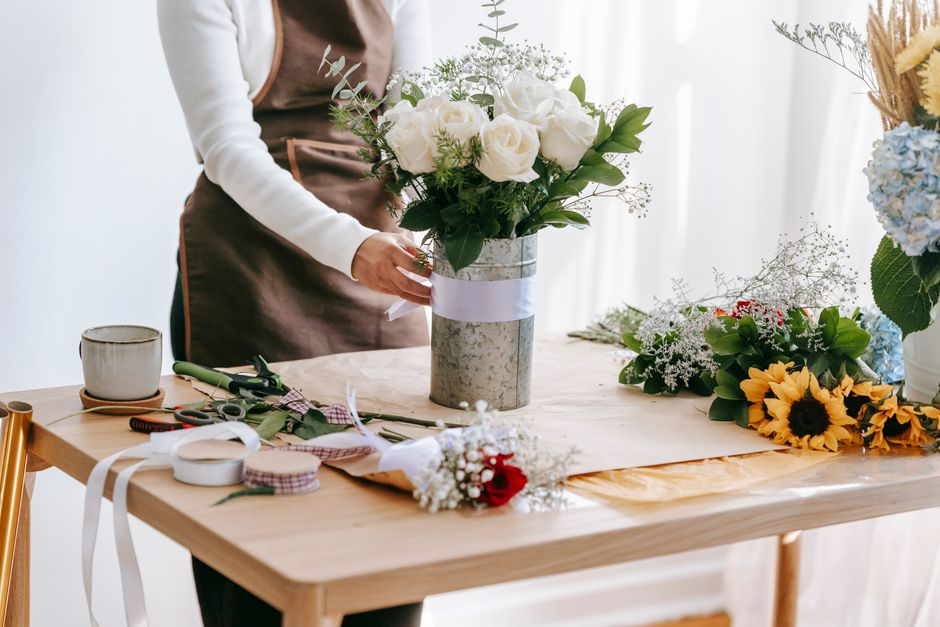
Common Mistakes to Avoid
Most budget problems come from underestimating one of three things: labour, timing, or fragility. Wedding flowers are lovely, but they are not especially forgiving if you guess loosely.
- Comparing only flower head prices. A stem price is not the total cost of a usable arrangement.
- Forgetting tools and supplies. Ribbon, wire, scissors, buckets, tape, and transport materials add up.
- Ignoring the time factor. DIY often needs a full prep block, not a quick evening task.
- Choosing too many flower varieties. More variety can mean more complexity and more waste.
- Leaving orders too late. Popular flowers and peak wedding dates can restrict choice.
- Underestimating venue requirements. Some venues need set-up within a tight window, which makes DIY harder.
- Not planning storage. Flowers need cool, protected space before the ceremony.
There is a quiet reality many couples only discover late in planning: a flower design that looks easy on Pinterest can be surprisingly fiddly to produce in real life. Pretty, yes. Easy? Not always.
Tools, Resources and Recommendations
You do not need a huge arsenal to plan wedding flowers well, but you do need a few practical tools and a realistic checklist.
For DIY wedding flowers
- clean buckets for conditioning stems
- sharp floral scissors or secateurs
- floral tape, wire, and ribbon
- vases, jars, or containers for centrepieces
- labels or notes to keep each arrangement organised
- a cool room or fridge space where appropriate and safe for flowers
For florist-led weddings
- photos of the floral style you like
- a list of must-have and nice-to-have pieces
- your venue timings and access details
- colour swatches or fabric references if you have them
- a clear maximum budget, even if it feels a bit awkward to say out loud
It also helps to browse style ideas by category rather than falling into the trap of comparing every bouquet on the internet to your own budget. If you need inspiration for softer palettes, a selection such as white flowers, pink flowers, or mixed-colour arrangements can help you narrow your direction quickly.
For couples balancing wedding flowers with the rest of the spend, a budget-friendly browse through affordable flowers is a sensible place to start. And if you want something polished without going overboard, luxury-style arrangements can show you what premium design looks like before you decide where to save and where to spend.
Law, Compliance, Standards, or Best Practice
For most wedding flower planning in the UK, there are usually no special legal hurdles just because you are arranging flowers yourself or booking a florist. That said, best practice still matters. Venues often have their own rules about setup times, candles near arrangements, access for suppliers, and what can be attached to walls or furnishings. Always check the venue contract or event instructions carefully.
If you are using hired items, floral foam alternatives, stands, or containers, ask who is responsible for returning them and when. It sounds small, but these details can cause stress if nobody has written them down. A florist will usually manage this as part of the service; DIY couples need to make the process explicit.
From a safety perspective, think about water, slippery floors, and where arrangements will sit during guest arrival. Tall centrepieces should be stable. Scent-heavy flowers can also be a consideration for guests with sensitivities, so choosing a mix that is visually beautiful but not overwhelming is a good everyday best practice.
In practical terms, the standard is simple: confirm details early, keep communication clear, and make sure every floral item has a home before the wedding morning starts. That alone saves a surprising amount of bother.
Options, Methods, or Comparison Table
Here is the most useful snapshot: a side-by-side look at the real-world differences between DIY and florist wedding flowers.
| Factor | DIY Wedding Flowers | Florist Wedding Flowers |
|---|---|---|
| Upfront cost | Often lower at first glance | Usually higher upfront, but more inclusive |
| Hidden extras | Materials, tools, storage, waste, and time | Usually fewer surprises if the quote is detailed |
| Design consistency | Depends on your skill and helpers | Generally more polished and uniform |
| Stress level | Higher close to the wedding | Lower, especially on the day itself |
| Time required | Can be significant, especially for multiple pieces | Minimal for the couple once booked |
| Flexibility | High if you are willing to adapt on the fly | High within the florist's design approach |
| Best for | Small, simple, budget-tight weddings | Couples wanting convenience and a refined finish |
A helpful way to use this table is to ask one blunt question: am I trying to save money, or am I trying to save money and time and stress? Those are not the same thing. Sometimes they line up nicely. Sometimes they do not.
Case Study or Real-World Example
Here is a realistic planning scenario. A couple is having a late-spring wedding in London with 60 guests, a small ceremony space, and one reception room. They need a bridal bouquet, two bridesmaid bouquets, six buttonholes, and eight simple table arrangements.
On paper, DIY looks attractive. They price stems, greenery, ribbon, and containers, and the total looks manageable. But once they add bucket storage, transport, a few spare stems, and the time needed to condition, sort, trim, and assemble everything, the saving becomes less dramatic than expected. Also, one of them works the morning before the wedding, which makes prep awkward. Very awkward, actually.
They then compare that with a florist quote that includes design advice, flowers matched to the season, delivery, and setup. The florist option costs more, but it removes a whole day of work and eliminates the risk of arrangements being finished in a rush. In the end, the couple chooses a hybrid plan: a florist handles the bouquet, buttonholes, and ceremony flowers, while the tables use simpler DIY bud vases.
That approach gives them the best of both worlds. The ceremony feels polished, the reception still stays within budget, and nobody is trimming stems at 11 p.m. with a cup of tea going cold beside them. You can probably picture that scene, and to be fair, many couples end up there.
If you prefer an all-in florist look, a collection like a coordinated wedding flower collection can be a useful benchmark for what a fully styled package may look like. For couples who want elegant bridal options, browsing bridal bouquets, bridesmaid bouquets, and buttonholes helps you compare the scope more accurately.
Practical Checklist
Use this before you commit to DIY or book a florist. It keeps the decision grounded, which is very helpful when wedding excitement starts making everything sound more affordable than it really is.
- Have you listed every floral item needed for the day?
- Do you know which flowers are in season for your date?
- Have you included containers, ribbon, wire, and tools in the budget?
- Do you have enough storage space to keep DIY flowers fresh?
- Will you have enough time to condition and arrange flowers without rushing?
- Have you checked venue access and delivery timings?
- Do you know your maximum budget before design decisions start drifting?
- Have you compared the total cost, not just the headline price?
- Do you have a backup plan if some stems arrive damaged or open too quickly?
- Have you decided where the visual priority should sit: bouquet, ceremony, or tables?
If you can answer yes to most of these, you are in a good position to choose confidently. If not, pause and tighten the plan first. A little more preparation now can save a lot of scrambling later.
Get a free quote today and see how much you can save.
Conclusion
There is no universal winner in the DIY vs florist debate. DIY wedding flowers can save money, especially for smaller and simpler designs, but only if you account for all the hidden extras and the time you will spend making them work. A florist usually costs more upfront, yet often delivers better consistency, less stress, and a stronger overall finish.
The smartest decision is the one that matches your wedding size, your schedule, your confidence with flowers, and the look you want on the day. If your budget is tight but your expectations are high, the hybrid route can be a very good middle ground. If you want a refined result without spending the eve of your wedding surrounded by buckets and ribbon offcuts, a florist may be worth every penny. Truth be told, that peace of mind can be priceless.
Whatever you choose, keep it simple, keep it realistic, and choose the option that lets you actually enjoy the day rather than manage it. That is the bit couples remember most.
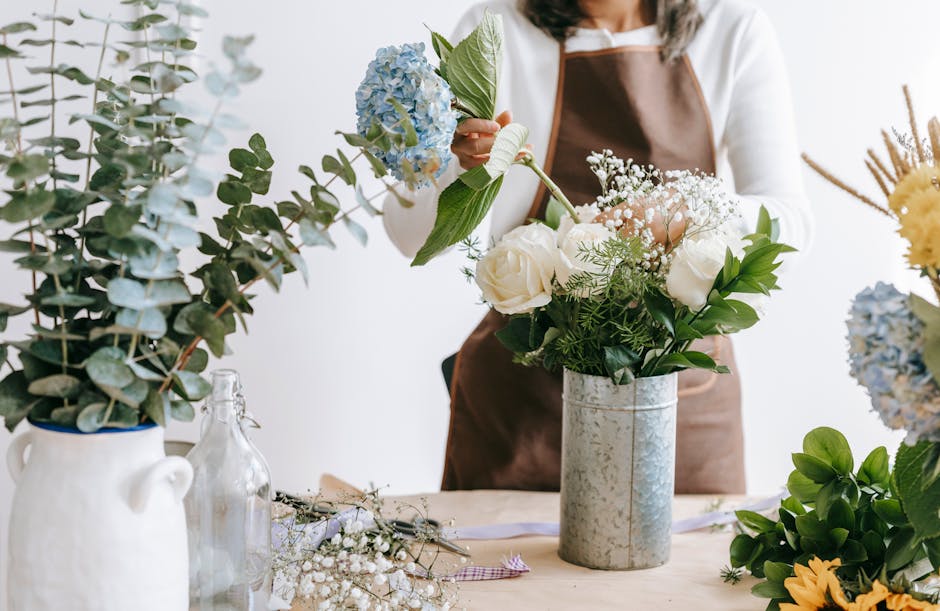
Frequently Asked Questions
Is DIY wedding flowers always cheaper than a florist?
Not always. DIY can be cheaper for small, simple flower needs, but once you include tools, containers, transport, storage, waste, and your own time, the saving may shrink quickly.
What is the biggest hidden cost in DIY wedding flowers?
The biggest hidden cost is usually time, followed by extra supplies and replacement stems. People often price flowers only, then discover the rest of the kit is not exactly free.
How do I know if a florist quote is good value?
Look at what is included, not just the headline number. A fair quote usually reflects flowers, design time, sourcing, preparation, delivery, setup, and any hire items clearly.
Can I mix DIY flowers with florist flowers?
Yes, and that can be a sensible compromise. Many couples let a florist handle the key pieces like bouquets and ceremony flowers, then DIY the tables or smaller decorative touches.
What flowers are best for a DIY wedding?
Flowers that hold up well, are relatively forgiving, and are easy to arrange are usually the safest bet. Seasonal blooms with sturdy stems and simple shapes tend to be easier than delicate, high-maintenance varieties.
How far in advance should I decide between DIY and florist?
As early as possible, ideally once you know your date, venue, and approximate guest count. The earlier you decide, the easier it is to budget properly and avoid rushed choices.
Do florists cost more in peak wedding season?
They can, depending on demand, flower availability, and the style you want. Peak dates often reduce flexibility, so early booking can help keep options open.
What if I want luxury flowers but have a modest budget?
Focus on a few high-impact pieces and keep the rest simple. One strong bouquet and a smaller number of well-placed arrangements often create more impact than spreading the budget thinly.
Are supermarket flowers good enough for a wedding?
They can be, especially for very small or casual weddings. The main question is whether the quality, timing, and range will be reliable enough for your date and design.
How do I avoid waste when buying wedding flowers myself?
Keep the design simple, order a little extra but not too much, and avoid too many different stem types. The more complex the plan, the easier it is to end up with leftovers you do not need.
What is the safest option if I do not want wedding-day stress?
A florist is usually the safer option if your priority is reducing stress. You still need to plan well, of course, but the hands-on burden is much lower.
Can a florist work within a strict budget?
Usually yes, if you are honest about the figure early on and stay flexible about flower types or design complexity. A good florist can often suggest practical substitutions that keep the look strong without overspending.