Breakdown of Typical Funeral Flower Costs Across the UK
Posted on 01/06/2026
Planning funeral flowers is one of those tasks that can feel simple on paper and deeply emotional in real life. You want something appropriate, beautiful, and within budget, but the price range can be all over the place. This guide on the Breakdown of Typical Funeral Flower Costs Across the UK explains what people usually pay, why prices vary, and how to choose arrangements with confidence rather than guesswork. If you are arranging flowers during a difficult week, the aim here is to make the decision feel a little more manageable. Truth be told, a clear budget helps more than most people expect.
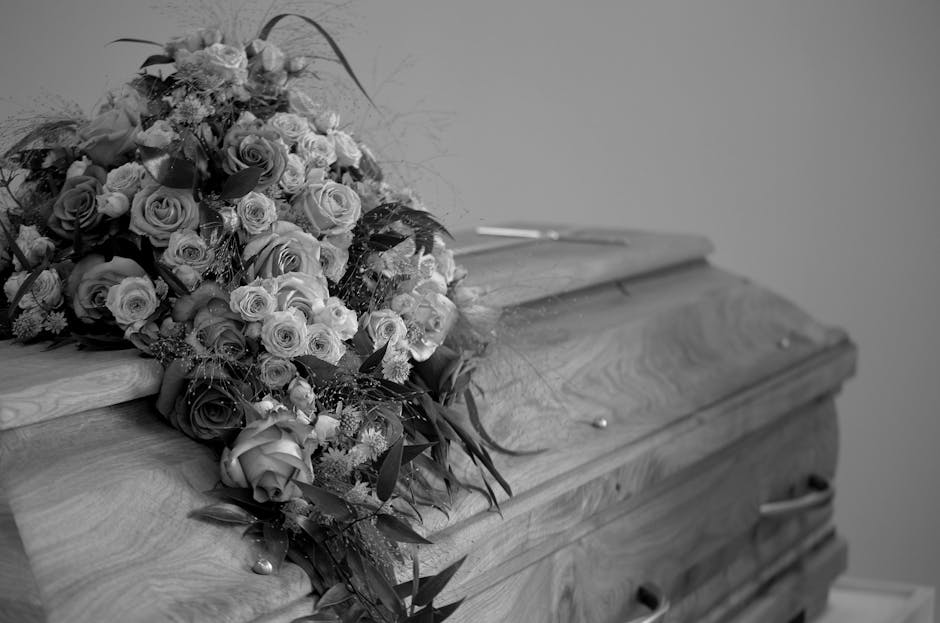
Funeral flowers in the UK are not priced like a standard birthday bouquet. The type of tribute, the flowers used, the size of the arrangement, and the delivery timing all shape the final cost. A simple posy may be modest, while a casket spray, wreath, or letter tribute will naturally sit higher. The good news? There are sensible options at most budget levels, including thoughtful designs from funeral flowers for every service and gentler options if you need something more economical.
In this article, we will look at the typical price bands across the UK, what influences cost, how to compare arrangements, and where people often overspend without realising it. We will also cover practical tips for choosing something that feels personal and respectful. And yes, a bit of local common sense goes a long way here.
Expert summary: The best funeral flower purchase is not always the biggest one. It is the arrangement that fits the service, reflects the person, and arrives on time without causing last-minute stress.
Why Breakdown of Typical Funeral Flower Costs Across the UK Matters
When someone dies, families are making dozens of decisions at once. Flowers may seem secondary, but they are often one of the most visible parts of the service. They can carry a name, a relationship, a belief, or simply a quiet message of love. Because of that, knowing the typical funeral flower costs across the UK matters more than people think. It helps you avoid panic-buying, over-ordering, or paying for features that do not actually add value.
There is also a practical side. Funeral dates can move quickly, especially when paperwork, the funeral director, the crematorium, and family availability all need to line up. That means flower choices often need to be made fast. If you already understand the cost landscape, you are far less likely to be caught out by a premium price for rushed delivery or a larger tribute than you really needed.
In our experience, families often start by asking for something "simple and respectful," then realise that simple can still vary in price quite a bit. A neat posy, for example, is a very different purchase from a full coffin spray or a shaped tribute. The cost gap is not random; it reflects materials, labour, flower choice, and design time. Once you understand that, the whole process becomes calmer.
And let's face it, when emotions are already running high, nobody wants to be comparing flower types and delivery windows at 10pm with a cup of tea going cold on the table.
How Breakdown of Typical Funeral Flower Costs Across the UK Works
Funeral flower pricing in the UK usually comes down to five main factors: size, flower selection, design complexity, seasonality, and delivery. Most local florists will price arrangements according to the amount of florist time and the cost of stems required, rather than by a flat national rate. That is why a simple white posy might be very affordable in one setting, while a bespoke tribute with multiple colours and detailed lettering costs much more.
A typical price structure might look something like this:
- Smaller arrangements such as posies, sheaves, or hand-tied sympathy flowers are usually at the lower end.
- Medium arrangements like sprays and baskets often sit in the middle range.
- Larger tributes such as wreaths, letter tributes, and casket sprays generally cost more because they require more flowers and more time to construct.
- Premium or bespoke designs can rise further if they include rare blooms, special colour requests, or personalised features.
There is also an important detail many people miss: funeral flowers are often more labour-intensive than ordinary bouquets. A wreath has to hold its shape. A casket spray has to lie correctly. A letter tribute has to be balanced and readable from a distance. That sort of work is not just "flowers in a foam base". It takes planning, technique, and a steady hand.
If you are unsure where to start, categories like sympathy flowers, wreaths, and tributes are a sensible way to compare styles before making a final choice.
Typical UK cost bands at a glance
These are broad guide prices, not fixed rules, because every florist sets their own pricing.
- Under GBP50: Small sympathy flowers, compact posies, or basic tributes
- GBP50 to GBP100: Medium posies, baskets, simple sprays, and some wreaths
- GBP100 to GBP200: Larger sprays, more elaborate wreaths, and many personalised tributes
- GBP200 and above: Casket sprays, large letter tributes, bespoke floral designs, and premium arrangements
If you are balancing cost and presentation, a florist-choice arrangement can sometimes offer stronger value because the florist uses the freshest available stems in the budget you set. That can be a smart move, especially when availability is tight.
Key Benefits and Practical Advantages
Understanding funeral flower costs is not just about saving money, although that is certainly part of it. It also helps you make a more thoughtful decision. A clear budget gives you confidence, and confidence is valuable when everything else feels uncertain.
- Less emotional pressure: You are choosing with a plan, not in a rush.
- Better value: You can avoid paying for unnecessary extras.
- More appropriate choices: You can match the arrangement to the service and relationship.
- Stronger family coordination: If several people are contributing, a price guide makes group decisions easier.
- Fewer delivery surprises: You can check whether the budget includes timing, card message handling, and any special instructions.
A useful benefit that often gets overlooked is consistency. When family members, colleagues, or friends all have a shared idea of what funeral flowers cost, it is easier to avoid awkwardness. Nobody feels they have underspent, and nobody feels pressured into something grander than they intended.
There is also a psychological benefit. People often describe feeling more settled once they have chosen the tribute. That one decision, small as it may seem, can make the rest of the day feel more manageable. A little practical reassurance goes a long way.
Who This Is For and When It Makes Sense
This guide is for anyone who needs to make a funeral flower decision in the UK and wants to do it sensibly. That includes family members arranging flowers for a parent, grandparent, spouse, sibling, or friend. It also includes colleagues organising a workplace tribute, neighbours contributing to a shared arrangement, and people who are simply trying to send something respectful without overcomplicating the process.
It makes sense to think about cost early if:
- you are working to a fixed budget;
- the funeral date is close and you need a quick decision;
- you want to compare several tribute styles before ordering;
- you are coordinating contributions from multiple people;
- you want flowers that feel personal but not extravagant;
- you are unsure whether to choose a wreath, spray, posy, or basket.
There is no single "correct" amount to spend. Some people want the coffin flowers to be the main tribute. Others prefer a modest arrangement and spend more on cards or donations. Both are perfectly reasonable. The right choice is the one that fits the person being remembered and the family's wishes. Not the Instagram version. The real one.
If the person had a favourite colour or bloom, you may also want to explore broader flower categories such as white flowers, purple flowers, red flowers, or mixed colours for a more personal tribute.
Step-by-Step Guidance
If you want to keep the process straightforward, this is the order I would suggest. It is practical, fast, and reduces those late-night "have we picked the right one?" moments.
- Set the budget first. Decide the upper limit before you browse. Even a rough ceiling helps.
- Choose the tribute type. Think posy, spray, wreath, basket, casket spray, or letter tribute.
- Pick the tone. Traditional white? Soft pastels? Something brighter to reflect personality?
- Check the size. Bigger is not always better, but it does change the price.
- Consider flower availability. Seasonal blooms can offer better value and freshness.
- Add personal details. A name, nickname, or favourite colour can make a tribute feel much more meaningful.
- Confirm delivery details. Funeral timing is strict, so this part matters a lot.
- Review the wording on the card. Short, sincere, and clear usually works best.
Here is the simplest version: start with the budget, then match the arrangement to the service. If you reverse that order, the cost can creep up before you know it. Flowers have a habit of doing that. Sneaky little things.
For smaller budgets, a thoughtful option from budget flowers or a modest selection such as affordable flowers can still look dignified and well considered.
Expert Tips for Better Results
One of the most effective ways to get better value is to be specific without being over-prescriptive. For example, "white flowers with a gentle mix of seasonal stems" gives a florist room to work within budget, whereas asking for three different premium flowers can raise the cost quickly.
Another good tip: think about where the tribute will be seen. A large floral design for a crematorium chapel or church entrance can justify a bigger spend. A smaller family tribute, viewed up close, does not need to be huge to feel special. The setting changes the ideal choice more than people realise.
Seasonal flowers matter too. Spring and summer usually give you more options for freshness and value. Winter can be beautiful as well, but imported or out-of-season stems may cost more. If a design uses roses, lilies, chrysanthemums, or carnations, the final price will often depend on the exact mix and stem quality. Those are reliable workhorse flowers, by the way, and they feature heavily in funeral work because they hold shape well and suit many colour palettes.
If you are deciding between styles, use broad browsing to compare. For instance, chrysanthemum arrangements, lily tributes, carnation-based designs, and rose tributes all sit differently in terms of look and price.
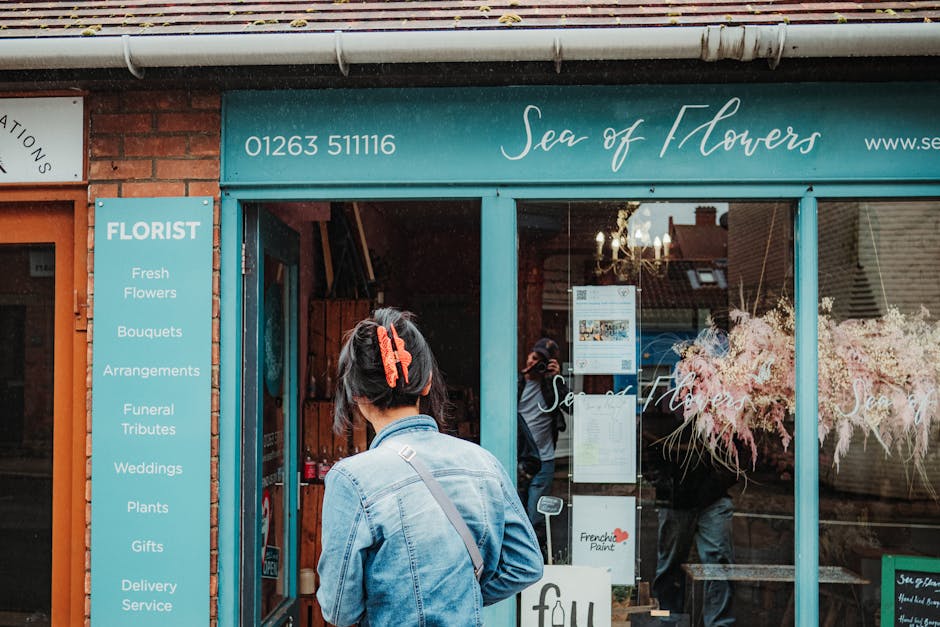
And one more thing: do not ignore delivery fees or any minimum-order rules. A pretty arrangement at a decent base price can become less attractive once timed delivery is added. That is not a deal-breaker, just something worth checking before you commit.
Common Mistakes to Avoid
The biggest mistake is assuming all funeral flowers are priced the same. They are not. Two arrangements that look similar from a distance can differ sharply in cost because one uses premium blooms or more labour-intensive shaping.
- Choosing by photo only: Always read the size notes.
- Forgetting delivery timing: A funeral tribute needs to arrive at the right place, at the right time.
- Ignoring the service style: A small intimate farewell does not need a large tribute, and vice versa.
- Using too many expensive flowers: Premium blooms are lovely, but they can push the budget up fast.
- Leaving the card message until the last minute: It is easy to write something meaningful when you are not rushed.
- Ordering without checking the tribute name: This matters more than you might think, especially for letter tributes or personalised designs.
A quieter mistake is emotional overspend. That is a real thing. People often spend more than planned because they feel they should. But in most cases, a carefully chosen arrangement will be more appreciated than a larger one that strains the budget. There is dignity in restraint, honestly.
If you are worried about making the "wrong" choice, start with a simple, tasteful option such as a basket, posy, or spray. A balanced piece can speak volumes without trying too hard.
Tools, Resources and Recommendations
There are a few practical ways to make this process easier without adding noise or stress.
- Category pages: Use broad categories to narrow down style, colour, and budget.
- Budget filters: Helpful when you already know your spending limit.
- Tribute-style browsing: Ideal if you need a wreath, heart, cross, cushion, or letter tribute.
- Same-day or urgent options: Useful when arrangements are needed quickly.
- Sympathy-focused collections: Good for choosing flowers that feel appropriate to the occasion rather than general-purpose bouquets.
For example, it can help to compare florist choice flowers, funeral sprays, and baskets and posies side by side before you settle on one. That way, you are judging both style and value at the same time.
If you want something especially personal, look at shape-led tributes too. The structure often matters as much as the flowers themselves. Letter tributes, hearts, crosses, and cushions all have a clear visual role at a service, which is why they are so widely chosen across the UK.
Another sensible recommendation: keep your selection aligned with the message you want to send. White usually feels calm and traditional. Purple can feel dignified and reflective. Mixed colours can feel celebratory of a life well lived. There is no strict rule, just tone and intent.
Law, Compliance, Standards, or Best Practice
Funeral flowers are not heavily regulated in the same way as medical or legal services, but there are still important best practices to follow. The main one is simple: work to the instructions of the funeral director, venue, or family lead. Arrival times, placement, and permitted tribute types can vary depending on the service location and the family's preferences.
In the UK, crematoriums, churches, cemeteries, and funeral venues may have their own local rules around what can be placed where and when. That is not usually complicated, but it does mean you should confirm delivery details carefully. If you are ordering for a church service in the morning and a crematorium service later in the day, the arrangement may need to be ready earlier than you expect.
Best practice also includes making sure the tribute wording is accurate, the name is spelled correctly, and any religious or cultural symbolism is suitable. This is especially important for faith-specific tributes, where colour, shape, or wording may carry meaning. The safest approach is always to ask rather than assume.
There is also a basic standard of respect around presentation. Funeral flowers should be neat, secure, and appropriate for the setting. If a tribute is being transported by the family rather than delivered, keep it level and cool where possible. A bit of care here saves a lot of heartbreak later, especially in warmer weather.
Options, Methods, or Comparison Table
Below is a practical comparison of common funeral flower types and what they usually mean for cost and use. Again, these are guide ranges rather than fixed prices.
| Arrangement type | Typical UK price range | Best for | Cost note |
|---|---|---|---|
| Posy / small sympathy flowers | GBP30 to GBP60 | Close family, neighbours, colleagues | Usually the most affordable tribute option |
| Basket or sheaf | GBP40 to GBP80 | Simple, neat, easy-to-place tributes | Good value when you want something tasteful but modest |
| Funeral spray | GBP50 to GBP150 | Services where a visible floral tribute is needed | Price rises with size and flower choice |
| Wreath | GBP50 to GBP200+ | Traditional remembrance and formal services | Shape and size heavily influence labour cost |
| Casket spray | GBP100 to GBP300+ | Coffin-top tributes from immediate family | Often one of the larger costs because of scale |
| Letter tribute / shaped tribute | GBP150 to GBP350+ | Personalised names, relationships, or symbols | Complex to make, so labour cost is higher |
If you are deciding between a few tribute styles, a useful rule is this: choose the arrangement that fits the family role, then refine by budget. Immediate family often go for larger pieces; friends, workmates, and more distant relatives often choose smaller tributes or contribute to a collective arrangement. There is no hierarchy of care here, just different expressions of it.
For people who want a floral tribute that still feels distinct, categories like white arrangements, purple and white tributes, or heart-shaped wreaths can help narrow things down quickly.
Case Study or Real-World Example
Here is a realistic example. A family in the North West needed funeral flowers for a crematorium service with two days' notice. They wanted something respectful, not overly large, and they had a shared budget rather than one person paying for everything. After discussing options, they chose a medium wreath for the service and a smaller basket from the immediate family. The final spend sat in the middle of the typical UK range rather than at the higher end.
What made the difference was not just the arrangement type. It was the clarity of the brief. They decided early on that white should be the main colour, they avoided premium out-of-season stems, and they confirmed delivery timing before choosing the final design. That saved them from the usual back-and-forth and meant the florist could build something clean and calm.
The family later said what mattered most was how the flowers looked in the room: quiet, elegant, and appropriate. Not showy. Not sparse either. Just right. That is often the sweet spot, to be fair. A thoughtful tribute that does its job beautifully without putting pressure on anyone.
Practical Checklist
Use this quick checklist before placing an order:
- Have I set a clear budget?
- Do I know the date, time, and location of the service?
- Have I chosen the right tribute type for the relationship?
- Does the size suit the setting?
- Have I checked whether the flowers need to match a colour preference or faith tradition?
- Is the card message written and spell-checked?
- Have I confirmed delivery details and any access instructions?
- Do I understand whether the price includes the card and local delivery?
- Have I compared at least two or three suitable options?
- Am I happy that the tribute feels respectful and personal?
If you can tick those off, you are in a strong place. That is usually enough. No need to overthink every stem.
Conclusion
The Breakdown of Typical Funeral Flower Costs Across the UK is really about giving yourself clarity at a time when life may feel anything but clear. Once you understand the usual price bands, the reasons they vary, and the kinds of arrangements that sit within each budget, the decision becomes easier and much less stressful.
Most people do not need the most expensive tribute. They need something thoughtful, appropriate, and delivered on time. If you remember that, you will usually make a good choice. Start with the budget, match the tribute to the service, and let the flowers carry the feeling. That is what they are there for, after all.
If you are still comparing options, it can help to browse carefully through sympathy flowers, tributes, or wreaths and choose the shape and tone that feels right for the person you are remembering.
Get a free quote today and see how much you can save.
And if you take one thing away from this guide, let it be this: a respectful tribute does not have to be complicated, but it should feel considered. That quiet care is what people remember.
Frequently Asked Questions
How much do funeral flowers usually cost in the UK?
Funeral flowers in the UK can start at around GBP30 to GBP40 for smaller sympathy arrangements and rise to GBP200 or more for larger wreaths, sprays, and casket tributes. The exact price depends on size, flower choice, and how much florist time the design requires.
What is the cheapest type of funeral flower arrangement?
Smaller posies, sheaves, and compact sympathy flowers are usually the cheapest options. They still look respectful and can be a good fit for friends, neighbours, or colleagues who want to send something thoughtful without spending too much.
Why are casket sprays more expensive?
Casket sprays are usually larger and more labour-intensive than other arrangements. They need more stems, a stronger structure, and careful shaping so they sit properly on the coffin, which is why the price is often higher.
Are white funeral flowers more expensive than mixed colours?
Not always. White flowers can be economical if the florist uses seasonal stems, but some white blooms are premium varieties. Mixed-colour arrangements may be more affordable or more expensive depending on the flowers used. It really comes down to the actual stems and design.
How far in advance should I order funeral flowers?
As soon as you know the date and time of the service, order. Two to three days is often workable, but shorter notice can be fine if the florist has capacity. Funeral arrangements move quickly, so earlier is always easier.
Can I get funeral flowers on a budget without them looking cheap?
Yes. A well-designed basket, posy, or florist-choice arrangement can look elegant even on a modest budget. The key is choosing a suitable size and a florist who understands funeral work well.
What flowers are most commonly used for funerals?
Roses, lilies, chrysanthemums, carnations, alstroemeria, and germini are commonly used. They are popular because they are versatile, long-lasting, and suitable for many traditional and modern tribute styles.
Do funeral flower prices include delivery?
Sometimes yes, sometimes no. Many florists include local delivery or list it separately. It is worth checking because delivery to a funeral venue can affect the final total more than people expect.
Is it better to choose a wreath or a spray?
That depends on the service and the relationship. Wreaths are traditional and symbolic, while sprays are often chosen for their visibility and neat presentation. If you are unsure, think about where the flowers will be seen and whether the tribute is from immediate family or a wider group.
Can funeral flowers be personalised?
Absolutely. You can personalise them through colour, flower choice, tribute shape, card wording, or a custom name. Personal touches often matter more than size, especially if they reflect the person's personality or favourite flowers.
What happens if I need funeral flowers very quickly?
If time is tight, choose a simpler arrangement and contact the florist as early in the day as possible. Florist-choice options are often useful in urgent situations because they allow the florist to work with the freshest available stems and keep the process moving.
Should I choose different flowers for a cremation versus a burial?
Usually the same general principles apply, but placement and scale may differ. A cremation service may suit a coffin spray, wreath, or family tribute, while a burial may involve arrangements placed at graveside. The funeral director or family lead can guide you on what is most suitable.
What is the best way to avoid overspending?
Set the budget before browsing, choose the tribute type first, and stick to seasonal flowers where possible. It also helps to avoid last-minute upgrades unless they genuinely add meaning. A simple, well-chosen tribute usually does the job beautifully.