5 Myths About Artificial Flowers Debunked by Experts
Posted on 25/09/2026
Artificial flowers have come a long way from the dusty stems people remember in old hallways and waiting rooms. Today, they can look beautifully convincing, last for years, and suit everything from a small flat in London to a wedding table that needs to stay flawless through a long, busy day. Still, the same old assumptions keep hanging around. That is exactly why 5 Myths About Artificial Flowers Debunked by Experts matters.
If you have ever thought fake flowers look cheap, collect dust too quickly, or only belong in odd corners of the home, you are not alone. To be fair, some of those ideas came from poor-quality products years ago. But the standard has changed. In this guide, we break down the myths, explain what actually matters when choosing artificial flowers, and show you how to pick arrangements that feel elegant rather than, well, a bit obvious.
Along the way, you will get practical buying advice, a clear comparison table, and a simple checklist you can use before you spend a penny. If you are choosing flowers for your home, event, business, or gift, this article should make the decision much easier.
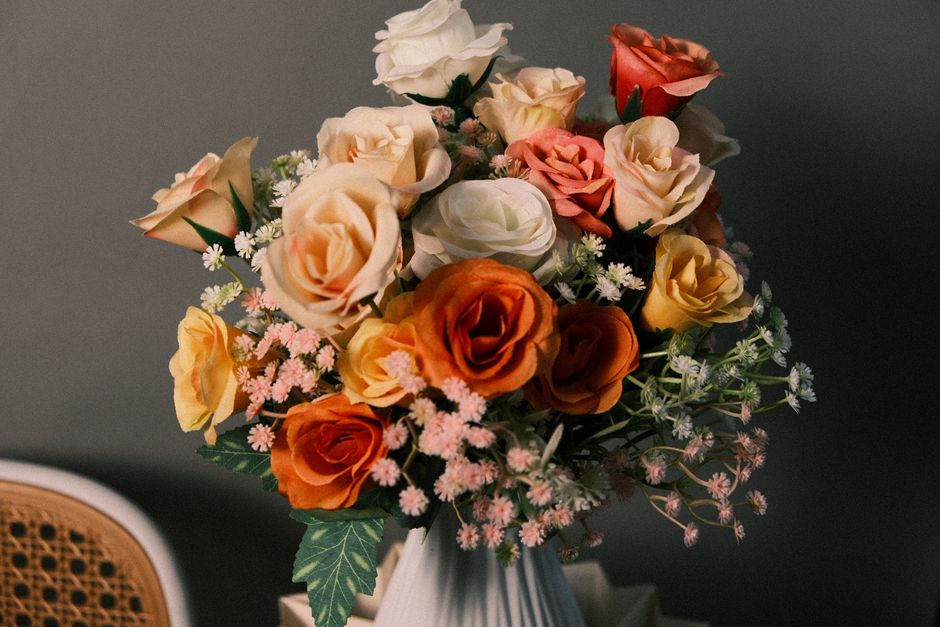
Table of Contents
- Why 5 Myths About Artificial Flowers Debunked by Experts Matters
- How 5 Myths About Artificial Flowers Debunked by Experts Works
- Key Benefits and Practical Advantages
- Who This Is For and When It Makes Sense
- Step-by-Step Guidance
- Expert Tips for Better Results
- Common Mistakes to Avoid
- Tools, Resources and Recommendations
- Law, Compliance, Standards, or Best Practice
- Options, Methods, or Comparison Table
- Case Study or Real-World Example
- Practical Checklist
- Conclusion
- Frequently Asked Questions
Why 5 Myths About Artificial Flowers Debunked by Experts Matters
Myths shape buying decisions more than people realise. If someone believes artificial flowers always look fake, they will never even compare options. That is a shame, because the wrong assumption can stop you from finding something that actually fits your space, budget, and lifestyle.
Experts in floristry tend to look at artificial flowers differently. They judge them by realism, structure, finish, durability, and how well the arrangement serves its setting. In other words, they do not just ask, "Is it fake?" They ask, "Does it work?" And honestly, that is the better question.
This matters for a few practical reasons:
- Budget: A one-off purchase may make more sense than replacing fresh flowers every week.
- Convenience: No watering, no wilting, no rushing home to rescue a bouquet before it collapses.
- Consistency: The arrangement looks the same on day one and day one hundred.
- Accessibility: Great for people with allergies or busy routines.
- Design control: You can choose exact colours, shapes, and styles without seasonal limits.
There is also a sustainability conversation here, but it is not as simple as "artificial is always better" or "fresh is always better." It depends on how long you keep the flowers, what they are made from, and whether you would otherwise be buying and discarding fresh stems every few days. A sensible, expert view looks at the whole picture.
So the point is not to declare a winner. It is to clear away lazy assumptions so you can choose properly. That is where real value sits.
How 5 Myths About Artificial Flowers Debunked by Experts Works
At the heart of the topic is a simple process: identify the common myths, compare them with how artificial flowers are actually made and used, then separate outdated impressions from current reality. That may sound straightforward, but people often buy on instinct. And instinct, frankly, can be wrong when it is based on memory from twenty years ago.
Here are the five myths most experts would challenge:
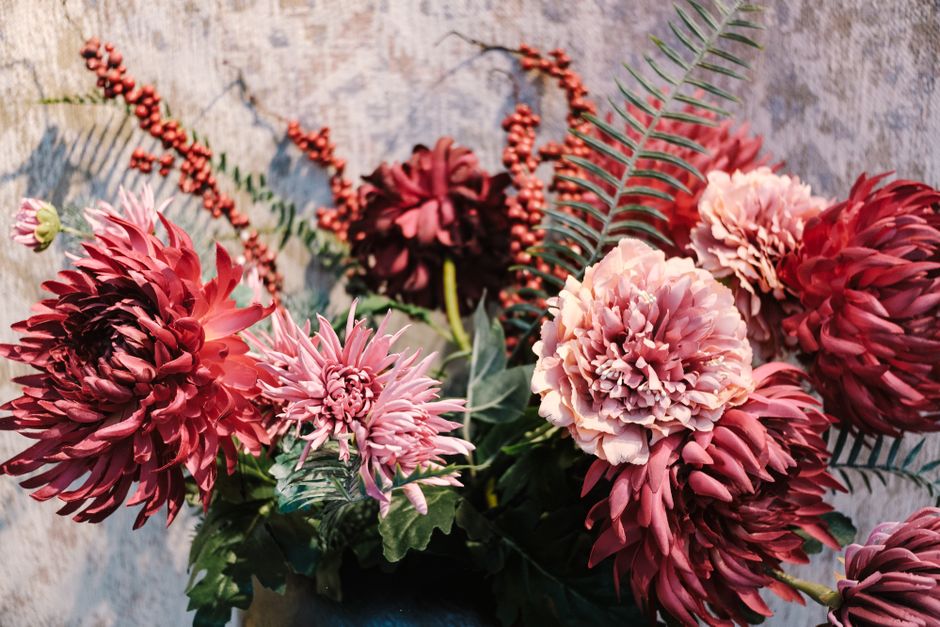
- Myth 1: Artificial flowers always look obviously fake. Modern designs use layered petals, natural stems, softer colour gradients, and better shaping. In good light, the difference can be surprisingly small.
- Myth 2: They are only for indoor display and never feel elegant. High-quality arrangements can be styled for homes, receptions, commercial spaces, and events with real polish.
- Myth 3: They are high-maintenance because they gather dust. They do need occasional cleaning, yes, but so do shelves, lampshades, and the rest of real life.
- Myth 4: They are bad value because the upfront cost is higher. The price needs to be judged over time, not just at checkout.
- Myth 5: Artificial flowers cannot create emotion or atmosphere. That one is easy to dismiss once you see how the right arrangement changes a room.
Experts tend to focus on material quality, realism, proportion, and context. A silk-style rose arrangement in a clean glass vase will communicate something very different from a bunch of shiny, over-bright stems with stiff leaves. Same category. Very different result.
That is why the "how it works" part is less about a product gimmick and more about understanding design quality. Good artificial flowers are not pretending to be fresh flowers in a clumsy way; they are designed to deliver beauty in a different, longer-lasting format.
Key Benefits and Practical Advantages
Once the myths are out of the way, the benefits become easier to see. And there are quite a few.
1. They hold their shape and style
Fresh flowers are lovely, but they are temporary by nature. Artificial flowers stay arranged. You do not wake up to drooping petals or sad stems leaning over the vase. For display spaces, that reliability is genuinely useful.
2. They suit allergy-sensitive homes and workplaces
For anyone who reacts to pollen or strong floral scents, artificial flowers can be a practical alternative. They give you the visual effect without the sneezing fit. Which, let's face it, is helpful at a wedding breakfast or in a reception area.
3. They are easier to plan around
Need flowers for a special event next month? Or maybe you want the same arrangement to last through an entire season? Artificial flowers make planning less stressful because they do not depend on delivery timing or peak bloom cycles.
4. They offer exact colour control
This is a big one for styling. If you need blush, ivory, deep red, mixed tones, or something seasonal, you can match your palette more consistently. That is especially handy for weddings, brand displays, and home styling where colour matters.
5. They can be reused and re-styled
A good arrangement can move from the dining table to a hallway console, then to a bedroom shelf, then into a new vase for a different season. You get more flexibility than a single-use bouquet.
6. They can be a sensible long-term purchase
Yes, the starting price can be higher than a supermarket bouquet. But if the arrangement lasts for years, the cost per use drops quickly. The numbers are not always dramatic, but they are often more favourable than people expect.
Expert summary: artificial flowers work best when you value lasting style, predictable appearance, and low day-to-day effort. They are not a replacement for every fresh-flower moment, but they are far from a second-best option. In the right setting, they are the better option.
Who This Is For and When It Makes Sense
Artificial flowers are not for everyone, and that is fine. A thoughtful purchase starts with your actual needs, not what looks nice in a photo.
You may find them especially useful if you are:
- A busy homeowner who wants something attractive without weekly upkeep.
- An event planner creating displays that need to stay consistent all day.
- A bride or groom looking for a bouquet or table arrangement that can be kept afterward.
- A business owner wanting reception or hospitality decor that still looks fresh on a Monday morning.
- Someone buying for a gift and wanting something lasting rather than quickly perishable.
- A person with allergies who still loves the look of flowers.
They also make sense in practical situations where live flowers are awkward. Think of a shaded room with little natural light, a holiday property that is not occupied every week, or a corridor that needs occasional visual warmth without constant maintenance. Sometimes the room simply asks for something that does not wilt by Friday.
There are times when fresh flowers still win: highly scented arrangements, ceremonial occasions where seasonal stems carry meaning, or moments where the ritual of buying fresh flowers is part of the experience. No need to force it either way. Good taste usually knows when to stop.
Step-by-Step Guidance
If you want artificial flowers that look convincing and feel worth the money, a little method helps. Here is a simple way to choose well.
Step 1: Decide what the arrangement needs to do
Start with the purpose. Is it for a dining table, a bedside shelf, a reception desk, a wedding display, or a sympathy arrangement? The right answer changes the style, size, and colour choice.
Step 2: Choose the right material quality
Look closely at the finish. Better artificial flowers usually have softer colour blending, more natural petal movement, and less obvious shine. If the surface reflects light like plastic packaging, that is not usually a good sign.
Step 3: Match the scale to the space
A large bouquet in a small room can feel overwhelming. A tiny arrangement in a big hallway can disappear. Measure the visual weight, not just the physical size. In design, proportion does a lot of heavy lifting.
Step 4: Consider the vase or container
The flowers do not exist in isolation. A simple ceramic vase, a glass cylinder, or a woven basket changes the whole look. Sometimes the container is what makes the arrangement feel finished rather than artificial.
Step 5: Check how the stems can be shaped
Flexible stems are useful because they let you adjust the form. You want the flowers to open naturally, not stand in a rigid bunch like they are waiting for instructions.
Step 6: Think about maintenance
Ask yourself how often you are realistically prepared to dust or refresh the display. If the answer is "rarely," choose a simpler design that will not show dust as quickly. A smooth arrangement with fewer delicate crevices is often easier to keep neat.
Step 7: Place, step back, and tweak
This part matters more than people think. Put the arrangement in place, step away, and look at it from the angle you actually use the room. A display can seem perfect up close and oddly flat from the sofa. Small adjustments help a lot.
Step 8: Refresh seasonally if you want to
You do not need to buy new flowers every few months, but shifting the vase, ribbon, or surrounding decor can make the whole room feel updated. A little refresh goes a long way.
Expert Tips for Better Results
Here is where the details separate an average display from one that feels genuinely polished.
Use fewer colours, but better ones
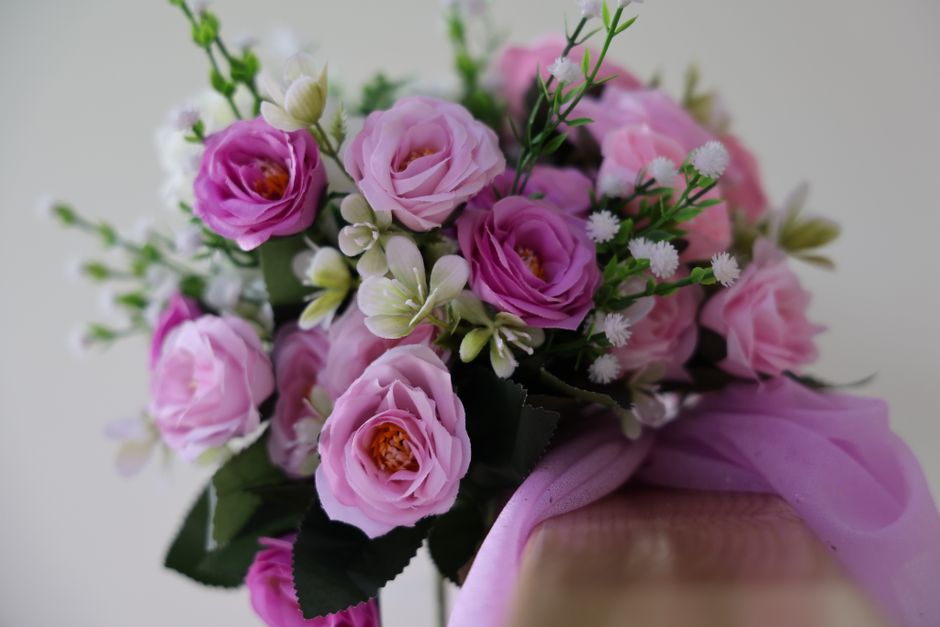
Too many competing colours can make artificial flowers look busy. A restrained palette often feels more natural and more expensive. One or two accent tones is usually enough.
Mix textures carefully
Experts often combine blooms with foliage, berries, grasses, or subtle filler pieces. This adds depth. Without it, the arrangement can feel flat or too symmetrical.
Avoid a "perfectly perfect" shape
Real flowers are slightly irregular. So should artificial ones be. If every stem lines up like soldiers, the illusion breaks. A gentle imbalance is more believable.
Dust with care, not panic
A soft brush, microfiber cloth, or a gentle blast of cool air can help keep flowers looking fresh. Harsh cleaning can damage delicate petals or loose finishing details.
Keep them away from strong heat and direct sun where possible
Prolonged heat and sunlight can fade colour or weaken some materials over time. Near a bright window, that might happen faster than you expect. Nothing dramatic, just a slow fade that creeps up on you.
Choose realistic stems and leaves as well as blooms
People often focus only on the flowers themselves, but the leaves and stems can make or break the look. If the foliage looks convincing, the whole arrangement benefits.
Use real vases and quality containers
A cheap container can drag down even a lovely bouquet. A strong vase, basket, or ceramic piece gives the arrangement more presence and helps it read as intentional decor.
Common Mistakes to Avoid
Most disappointing results are not caused by artificial flowers themselves. They usually come from poor selection or rushed styling.
- Buying only by price: The cheapest option often has the least convincing finish.
- Ignoring scale: An oversized bouquet can dominate a small room, while a tiny one can vanish.
- Skipping the container: Flowers and vase should work together.
- Using too many bright colours: Loud colour combinations can look less natural.
- Forgetting to shape the stems: Many arrangements need a little adjustment out of the box.
- Leaving them untouched for years: Even low-maintenance decor needs a small tidy now and then.
- Choosing overly shiny finishes: If the petals reflect too much light, the illusion weakens fast.
One common slip-up is expecting artificial flowers to carry a room all by themselves. They work best as part of a broader styling decision: lighting, container, surface, and surrounding decor all matter. A good arrangement is a team player, not a diva.
Tools, Resources and Recommendations
You do not need specialist equipment to enjoy artificial flowers, but a few simple tools make life easier.
| Item | What it helps with | Why it matters |
|---|---|---|
| Soft brush or microfiber cloth | Light cleaning | Helps remove dust without damaging petals |
| Wire cutters or strong scissors | Trimming stems | Makes sizing and arranging far easier |
| Florist tape | Holding stems together | Useful for custom arrangements and bouquet shaping |
| Weighted vase or sturdy container | Stability | Prevents top-heavy displays from tipping |
| Foliage or filler stems | Adding depth | Makes the display look fuller and more natural |
As a practical recommendation, start with one arrangement you can live with every day rather than trying to decorate the whole house at once. You will learn faster. You will notice what works in your light, on your shelves, near your windows. And you will avoid that slightly chaotic "everything arrived at once" feeling, which nobody needs.
For people shopping by occasion, it can also help to browse styles by purpose rather than colour alone. For example, a calm, neutral display might suit a hallway, while a brighter mixed arrangement works better for celebrations. If you are looking through a florist's range, pages such as all flowers or seasonal options like summer flowers can help you narrow down the look more quickly. For gift-led choices, something like best sellers is often a sensible starting point because popular designs usually reflect what people actually keep and enjoy.
Law, Compliance, Standards, or Best Practice
For artificial flowers, the main compliance concern is not usually law in the strict sense, but safe, sensible best practice. That is especially true if you are using them in public-facing spaces, events, or business premises.
Here are the main points to keep in mind:
- Fire safety: If flowers are used in venues, hospitality settings, or event spaces, check local venue rules and any relevant fire-risk expectations. Some spaces restrict materials near exits, candles, or heat sources.
- Allergy awareness: Artificial flowers can reduce pollen issues, but dust can still be a concern in some settings. Regular cleaning helps.
- Quality and durability: If a display is for frequent use, choose sturdier construction rather than the lightest decorative option.
- Public presentation: In reception areas, restaurants, or customer spaces, the finish should look neat and well maintained. Worn-looking decor can send the wrong message.
For weddings and formal events in the UK, people often focus on appearance first and practicality second. Fair enough. But a good florist or stylist will still think about safety, stability, and venue rules. It is one of those boring-but-important things that saves hassle later.
One more sensible point: if an artificial arrangement is going to sit near candles, heaters, or strong sunlight, choose placement carefully. Better safe than sorry. And yes, even a beautiful display can be ruined by a wobbly candle setup, which is not the kind of drama anybody wants.
Options, Methods, or Comparison Table
Artificial flowers are not all the same. The best choice depends on where they will be used and what you want them to achieve.
| Option | Best for | Strengths | Trade-offs |
|---|---|---|---|
| Single stem display | Minimalist styling | Simple, elegant, easy to place | Can look sparse in large spaces |
| Compact bouquet | Desks, shelves, bedside tables | Versatile, affordable, easy to move | May not create a big visual impact |
| Mixed arrangement | Living rooms, receptions, events | Fuller look, more texture, more realism | Needs better styling to avoid clutter |
| Seasonal display | Homes and hospitality spaces | Fresh feel without constant replacement | May need occasional swapping to stay relevant |
| Large statement piece | Entrances, wedding settings, feature areas | Strong impact, memorable presence | Can overwhelm small rooms if not scaled properly |
If you are deciding between fresh and artificial flowers, think about use case rather than preference alone.
- Choose fresh flowers if scent, ceremony, and natural impermanence are central to the experience.
- Choose artificial flowers if consistency, longevity, and low maintenance matter more.
- Choose both if you want a fresh seasonal arrangement in one room and a long-lasting display in another.
The "either/or" debate is often overdone. In real homes and real businesses, the answer is frequently both. Practical, and a bit more honest.
Case Study or Real-World Example
Imagine a small London flat with a narrow hallway, limited natural light, and no time for weekly flower replacement. The owner wants the space to feel welcoming, especially on dull winter afternoons when everything outside looks grey by four o'clock.
At first, they buy a cheap bouquet because it seems sensible. But it looks shiny under the hallway light and collapses a little at the edges after a week. Not terrible. Just not right.
Then they switch to a better-made mixed arrangement with softer-toned blooms, a more realistic stem finish, and a heavier ceramic vase. They place it near a mirror to brighten the space and add a small foliage stem for shape. The difference is immediate. The hallway feels calmer, more finished, and oddly more expensive, though not in a flashy way.
What changed? Not the fact that the flowers were artificial. The quality improved, the container improved, and the styling became more thoughtful. That is the main lesson experts keep coming back to. The result depends on design choices, not just product type.
A similar thing happens in events. A couple may use artificial flowers for wedding table arrangements because they want consistency throughout a long day, then keep part of the display as a memory afterwards. There is something quietly satisfying about that. The arrangement lives on instead of being packed away and forgotten.
Practical Checklist
Use this quick checklist before buying artificial flowers:
- Do I know where the arrangement will go?
- Is the size right for the space?
- Do the colours fit the room or occasion?
- Does the finish look natural rather than glossy?
- Is the vase or container part of the overall design?
- Can I clean and maintain it easily?
- Will it suit the purpose: home, gift, event, or business display?
- Does it feel balanced when viewed from a normal standing or seated position?
- Am I buying for long-term use, short-term styling, or both?
- Does the arrangement still look good if I step back three metres?
Quick takeaway: if the answer to most of those questions is yes, you are probably looking at a sensible choice. If not, keep browsing. No rush.
Conclusion
The biggest thing to understand about artificial flowers is that the category has changed. The old stereotypes still exist, but they do not describe the better products people actually buy today. Once you look beyond the myths, you can see where artificial flowers shine: reliable beauty, flexible styling, and far less maintenance than fresh stems.
Experts do not recommend them because they are "fake" in the dismissive sense. They recommend them when they solve a real problem well. That is the useful bit. If you want a display that stays tidy, fits your palette, and keeps looking good without regular fuss, artificial flowers can be a very smart choice indeed.
And if you are still unsure, start small. One arrangement. One room. One simple test. You will know quickly whether it works for you. Often, that first little corner is enough to change your mind.
Get a free quote today and see how much you can save.
Sometimes the best design decision is the one that quietly makes life easier, and that is no small thing.
Frequently Asked Questions
Do artificial flowers look tacky?
Not when they are well made and styled properly. Cheap, shiny, over-packed arrangements can look tacky, but high-quality artificial flowers with natural colour variation and good shaping can look very convincing.
How long do artificial flowers last?
They can last for years if kept clean and away from excessive heat, harsh sunlight, and damp conditions. The exact lifespan depends on the material quality and how they are used.
Are artificial flowers cheaper than fresh flowers?
Up front, often no. Over time, they can be better value because you do not need to replace them regularly. The longer you keep and reuse them, the more the cost balances out.
Can artificial flowers be used for weddings?
Yes, absolutely. They are popular for bouquets, table arrangements, buttonholes, and decorative features, especially when consistency and long-lasting presentation matter.
What is the best way to clean artificial flowers?
A soft brush, microfiber cloth, or gentle airflow usually works well. Avoid harsh scrubbing, and be careful with delicate petals or glued details.
Do artificial flowers collect dust quickly?
They can, especially in open or busy rooms. But regular light cleaning keeps them looking good, and the amount of maintenance is usually lower than people expect.
Are artificial flowers suitable for people with allergies?
They can be a very good option because they do not release pollen in the same way fresh flowers do. That said, dust can still be an issue if the arrangement is left untouched for too long.
What makes artificial flowers look realistic?
Natural colour shading, varied petal shapes, believable stems, quality foliage, and sensible styling all help. The container matters too. A good vase can make a surprising difference.
Can I mix artificial and real flowers together?
Yes, and many people do. A mixed approach can work very well, especially if you want the freshness of real blooms with the longevity of artificial stems.
Are artificial flowers good for outdoor use?
Some are, but not all. If they will be placed outside, check whether the materials are suitable for exposure to weather and sunlight. A sheltered location usually helps them last longer.
How do I stop artificial flowers looking fake?
Choose better materials, avoid overly bright finishes, use a realistic vase, and shape the stems naturally. Also, do not overcrowd the arrangement. A little breathing room goes a long way.
Where should I buy artificial flowers for the best result?
Look for sellers that offer realistic designs, good product variety, and clear styles for different occasions or rooms. If you are browsing a florist's range, compare options by use, colour, and finish rather than price alone.